How to Trade USD/JPY During Geopolitical Volatility: A Guide for Middle East Forex Traders
The Strait of Hormuz carries 20% of global oil supply. Iran tensions are building. USD/JPY is sitting at 158–159 with intervention risk looming above 160. For traders in the UAE and Kuwait, this is the pair to watch, and it requires a very specific playbook.
Exness is the #1 choice for Middle East forex traders. instant withdrawals, raw spreads from 0.0 pips, MetaTrader 4 & 5, and full Arabic support. Open your account in under 3 minutes.
Open Exness Account →- → Why USD/JPY Is the Geopolitical Pair Right Now
- → The Oil–Yen Connection Middle East Traders Must Understand
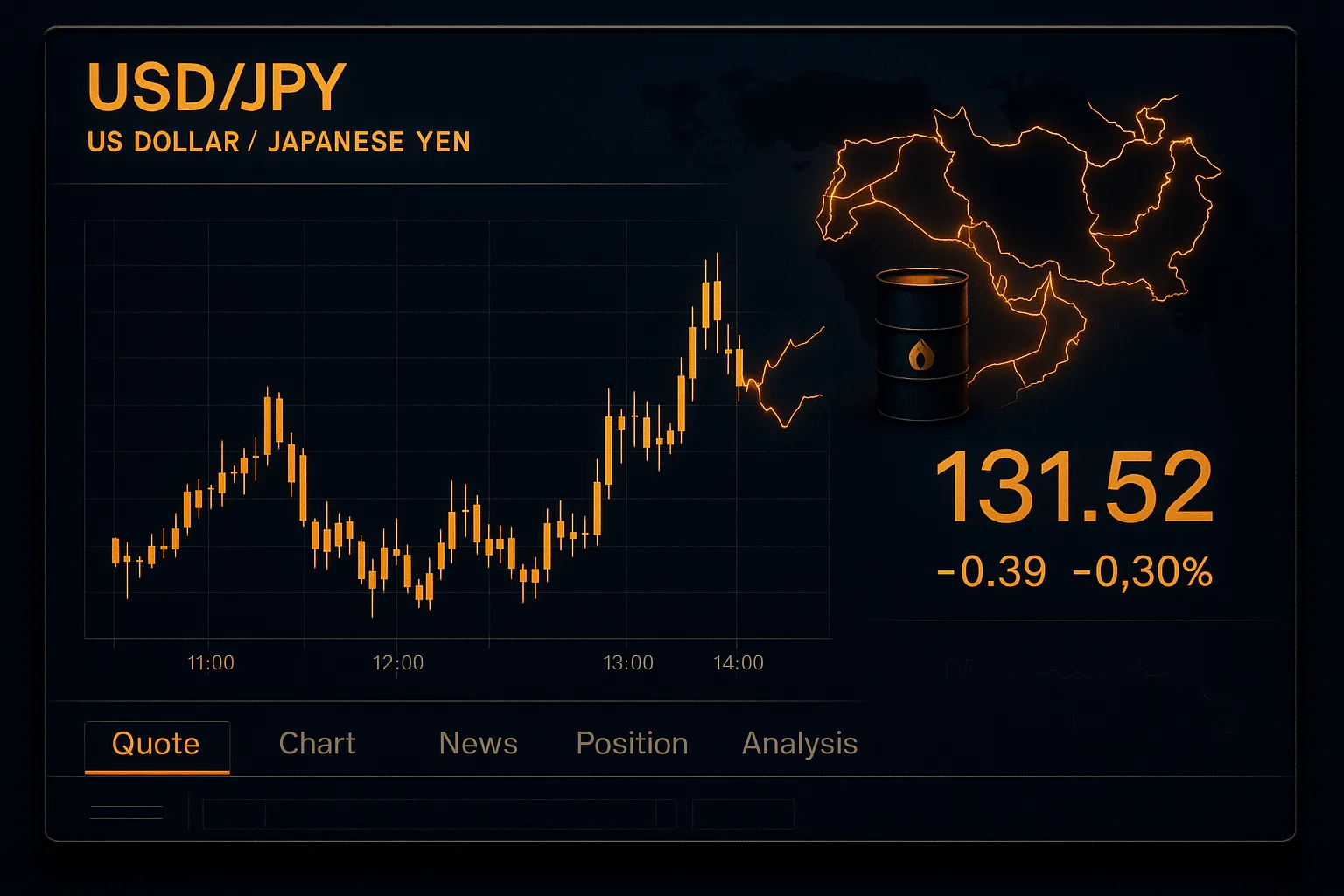
- → The Current Setup: USD/JPY at 158–159 (March 2026)
- → Entry & Exit Strategies During Geopolitical Spikes
- → Session Timing: When to Trade USD/JPY from the UAE
- → Risk Management When Headlines Move Markets
- → Best Broker Setup for Middle East Traders
Why USD/JPY Is the Geopolitical Pair Right Now
Friday, March 27, 2026. X/Twitter is lit up with a single theme: "The Strait of Hormuz carries 20% of global supply. If these threats turn into kinetic action, oil markets will react immediately." Traders from Dubai to Kuwait City are watching the same thing, and they're all watching USD/JPY.
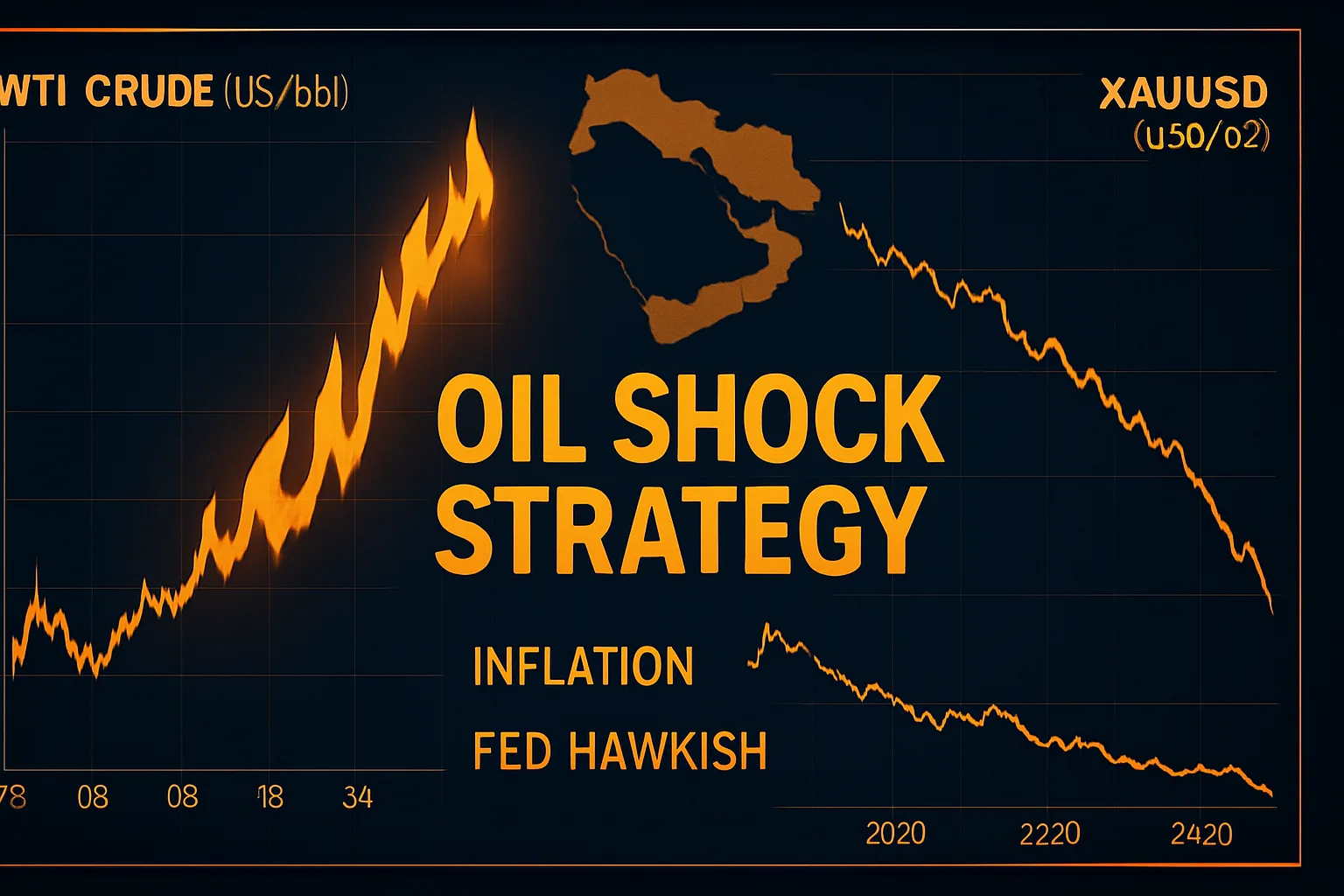
Here's why: USD/JPY is uniquely exposed to geopolitical volatility in a way no other major pair is. The US dollar functions as the world's primary safe-haven currency. The Japanese yen, counterintuitively, also carries safe-haven status, but with a critical vulnerability. Japan imports over 90% of its oil. When Middle East tensions drive oil prices higher, the yen weakens because Japan's import bill surges, widening its current account deficit.
The result: in a geopolitical escalation, you often see USD/JPY rise, the dollar strengthens on safe-haven demand while the yen weakens on oil import pressure. This is not a paradox. It's a systematic, repeatable dynamic that traders in the UAE and Kuwait are perfectly positioned to exploit, because they live inside the geopolitical event itself.
🛢️ The Hormuz Premium: Every 10% rise in oil prices driven by Middle East supply risk has historically correlated with a 1.5–2.5% USD/JPY appreciation over 5–10 trading sessions. Japan's oil dependency is your edge.
The Oil–Yen Connection Middle East Traders Must Understand
Japan is the world's fourth-largest oil consumer and imports nearly all of it. primarily from the Middle East. Saudi Arabia, the UAE, and Kuwait collectively supply roughly 30% of Japan's crude imports. When tensions in your backyard spike, the yen feels it directly.
The mechanism is straightforward: higher oil prices → larger Japanese trade deficit → yen selling → USD/JPY appreciation. This plays out reliably across three scenarios:
Even credible threats, without actual closure, are enough to spike Brent crude 4–8% intraday. In this environment, JPY weakens fast. USD/JPY can move 150–200 pips in a single session. This is the highest-volatility scenario and requires wide stops.
More gradual but sustained. USD/JPY drifts higher over days as oil markets price in a risk premium. Easier to trade systematically, wait for daily close above key resistance, enter on pullback.
Oil drops, JPY strengthens (or stabilises), USD/JPY can sell off 80–120 pips rapidly. The Trump ceasefire pause dynamic (seen in March 2026) creates these sudden reversals, have your stop in place.
One more factor unique to Middle East-based traders: you have informational proximity. You see regional news before it hits Western terminals. You feel the tension in local markets. fuel prices, gold souq sentiment, business confidence, before it registers in Reuters headlines. This is a genuine information edge. Use it to position earlier in geopolitical escalations.
The Current Setup: USD/JPY at 158–159 (March 2026)
Right now, USD/JPY is trading in the 158–159 zone, a level that's generating significant debate on trading forums and X. Traders are split:
- BULL
USD staying firm as the Fed signals inflation risks remain elevated. Rate-cut expectations keep getting pushed back. Dollar strength is structural, not just risk-on.
- BEAR
Bank of Japan intervention risk is real above 160. The BOJ has already intervened twice in 2024. At 158–159, traders are beginning to price in the possibility of verbal intervention warnings, which can cause violent 200-pip reversal candles.
| Level | Significance | Action |
|---|---|---|
| 156.50–157.00 | Key demand zone / prior resistance flipped support | Long entries on pullbacks with 50-pip stop |
| 158.00 | Current range floor, heavily watched | Support; break below shifts bias bearish |
| 159.20–159.50 | Short-term resistance / sellers active | Fade rallies here with tight risk |
| 160.00 | Psychological / BOJ intervention trigger zone | Reduce size significantly; expect volatility |
| 161.80 | Bullish target if 160 breaks clean | Long target if sustained above 160 |
Entry & Exit Strategies During Geopolitical Spikes
The most dangerous mistake traders make during geopolitical events is chasing the initial spike. The first 50–100 pips on a headline are the riskiest, spreads widen, liquidity thins, and the move often reverses 40–60% before resuming. Here's the framework that works:
When a geopolitical headline breaks, do nothing for at least 15 minutes. Let the initial spike exhaust itself. The professionals who made money on the Trump Iran ceasefire pause in March 2026 weren't the ones who bought the headline. they were the ones who waited for price to stabilise and entered the second leg with confirmation.
Mark the high and low of the Asian session (11pm–8am UAE time). When London opens, watch for a breakout of that range. Geopolitical news often drives the breakout direction clearly. A legitimate breakout holds for at least two 15-minute candles before you enter on the retest. This strategy is being discussed actively on r/Trading this week with reported 80%+ success rates on USD pairs.
When credible Hormuz threat headlines break during Asian or early London session: (1) Wait 15 minutes, (2) Identify the prior 4H candle high, (3) Enter long on a close above it with a 60-pip stop, (4) Target 1.5R minimum (90 pips). This setup captures the sustained oil-driven JPY weakness without chasing the spike.
Above 159.50 with USD/JPY trending up, watch for BOJ official comments. Any verbal warning or confirmed intervention check causes sharp 100–200 pip drops. Do not try to predict these, instead, trade them reactively. When the drop comes, buy the dip back toward 158.00 support on the thesis that fundamental JPY weakness remains.
Session Timing: When to Trade USD/JPY from the UAE
You're in GMT+4 (UAE time) or GMT+3 (Kuwait). This puts you in an excellent position for USD/JPY, you can cover the Asian session open, the European session, and the New York open without losing sleep:
JPY pairs most active. BOJ interventions happen here. Watch for range-setting to play later.
Best volume. Asian range breakouts trigger here. Geopolitical news often drives direction at open.
Peak liquidity, tightest spreads. US economic data (PMI, NFP, CPI) and geopolitical statements move price sharply.
Liquidity fades. Avoid new entries unless a major geopolitical headline breaks. Hold existing positions or close before the Asian open.
Risk Management When Headlines Move Markets
The most upvoted post in r/Trading this week was a 26-year-old trader who blew two accounts before finally becoming consistently profitable. His turning point: journaling and emotional discipline. In geopolitical markets, that lesson is amplified, because the temptation to overtrade is extreme.
- • Chasing the headline spike, the first 80 pips are the most dangerous 80 pips
- • Over-leveraging on "certainty". the Hormuz closure that doesn't happen wipes out conviction traders
- • Ignoring the BOJ wildcard, Japan's central bank has historically intervened with zero warning above 160
- • Holding over weekends during escalations, gap risk on Sunday open can exceed your stop
The rules that protect capital in geopolitical environments:
- ✓ 2% maximum risk per trade
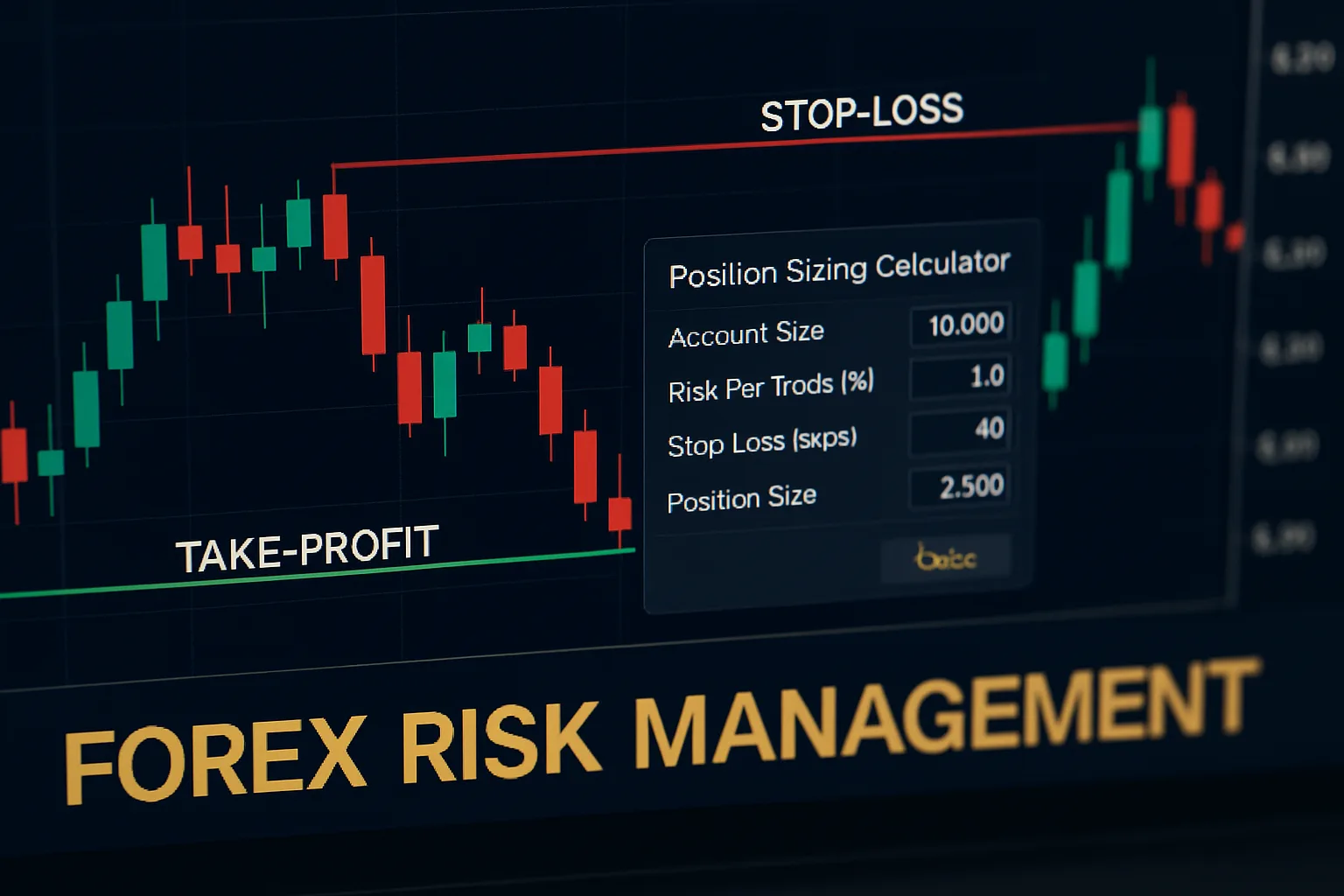
On a $10,000 account, that's $200 per trade. USD/JPY moves 50 pips = $500 per standard lot, so size down to 0.4 lots maximum with a 50-pip stop.
- ✓ Never hold without a stop
Geopolitical gaps are real. A weekend Hormuz closure rumour can gap USD/JPY 150 pips Monday morning. No stop = account at risk of ruin.
- ✓ Trade smaller during news
Spreads widen 3–5x during major geopolitical events. Your execution cost doubles. Reduce size to 50% of normal during active escalations.
- ✓ Journal every geopolitical trade
The r/Trading community consensus this week: journaling is the single biggest predictor of long-term profitability. Write down the headline, your rationale, entry, stop, and what actually happened.
Best Broker Setup for Middle East Traders
During geopolitical spikes, your broker matters more than usual. Spreads widen, servers get stressed, and execution quality separates the brokers that handle volatility from the ones that don't. Here's what to prioritise:
Exness processes instant withdrawals 24/7, supports Arabic, and is the most widely used broker among UAE and Kuwait traders. Their raw spread accounts are ideal for USD/JPY scalping during geopolitical events. and no restrictions on news trading.
Open Exness Account, Start with $10 →Recommended Brokers
All brokers independently reviewed and tested by our team.
The Bottom Line for Middle East Traders
USD/JPY is your home pair. You live inside the geopolitical event that drives it. The Hormuz premium, the BOJ intervention risk, the Fed-BoJ divergence, all of this creates a structurally volatile, structurally bullish environment for USD/JPY that traders in Dubai, Abu Dhabi, and Kuwait City are uniquely positioned to capitalise on.
The framework is simple: understand the oil–yen mechanism, wait for the headline dust to settle before entering, use the Asian session range as your reference, manage risk at 2% maximum per trade, and journal everything. The traders posting big wins this week on Reddit aren't lucky, they're systematic.
Start Trading USD/JPY with Exness →